Poha Recipe: Traditional Indian Breakfast in 20 Minutes – Easy Homemade Method
Published: March 21, 2026 | Category: Indian Breakfast | Reading Time: 6 minutes
Introduction to Poha
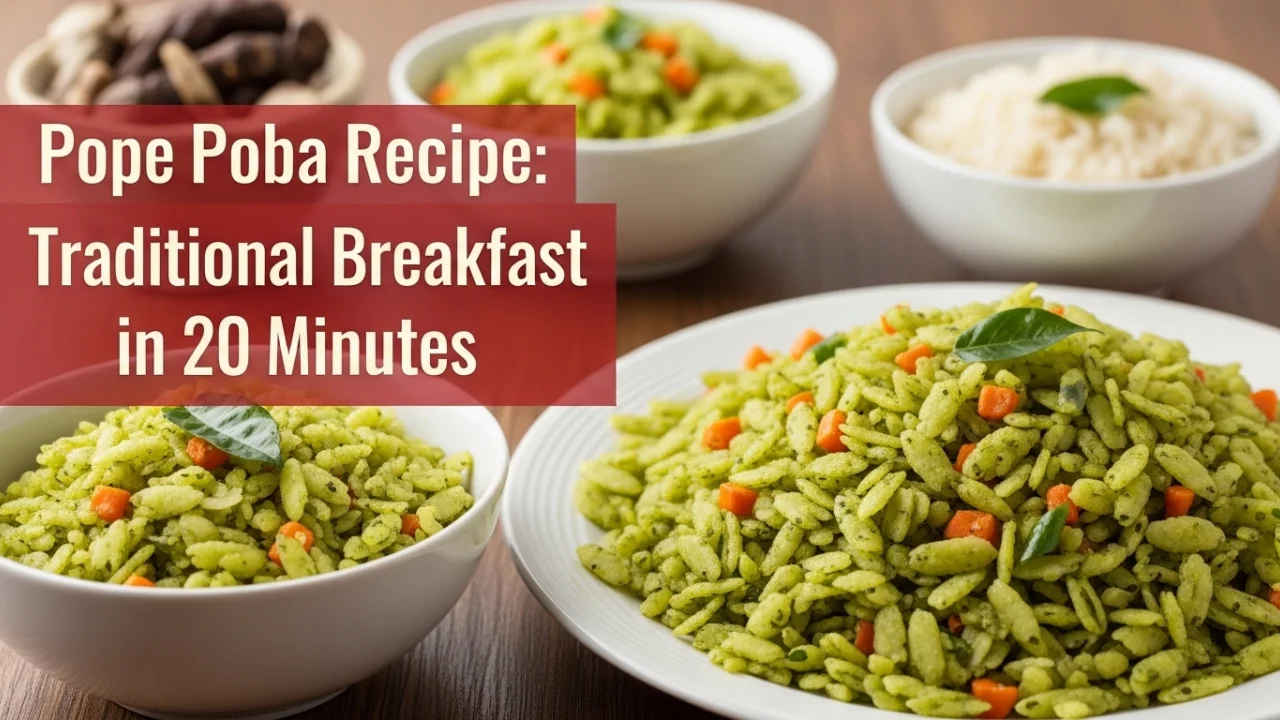
Poha represents one of the most popular breakfast dishes across India, particularly in Maharashtra, Madhya Pradesh, and Gujarat. This light, flavorful preparation features flattened rice (poha) cooked with onions, potatoes, and aromatic spices, creating a nutritious meal that’s both satisfying and easy to digest.
The main challenges in preparing poha at home include preventing the rice from becoming mushy or sticky, achieving proper texture balance, ensuring adequate flavor without over-spicing, and maintaining the characteristic light, fluffy consistency. Many home versions result in either overly soft, porridge-like texture or dry, hard flakes.
This recipe addresses these issues through specific techniques: correct poha washing method, proper water control, systematic tempering process, and precise cooking time. Following these approaches ensures restaurant-quality results with ideal texture and balanced flavors.
The preparation requires minimal ingredients and simple cooking steps, making it perfect for busy mornings or quick meals.
Recipe Overview
| Parameter | Details |
|---|---|
| Cuisine Type | Indian (Maharashtrian) |
| Course | Breakfast/Snack |
| Difficulty Level | Easy |
| Prep Time | 10 minutes |
| Cook Time | 10 minutes |
| Total Time | 20 minutes |
| Servings | 3-4 people |
| Calories per Serving | Approx. 220 kcal |
| Dietary | Vegetarian (Vegan adaptable) |
| Estimated Cost | $3 – $5 |
Required Ingredients
Main Ingredients:
- Thick poha (flattened rice) – 2 cups (Substitute: thin poha works but texture differs)
- Potato – 1 medium, diced small
- Onion – 1 large, chopped fine
- Green chilies – 2-3, slit lengthwise
- Curry leaves – 8-10 leaves, fresh
- Oil or ghee – 2 tablespoons
- Peanuts – 2 tablespoons (optional but recommended)
Spices and Seasonings:
- Mustard seeds – 1 teaspoon
- Cumin seeds – 1/2 teaspoon
- Turmeric powder – 1/4 teaspoon
- Sugar – 1/2 teaspoon (balances flavors)
- Salt – to taste (approximately 3/4 teaspoon)
- Lemon juice – 1 tablespoon
For Garnish:
- Fresh coriander leaves – 2 tablespoons, chopped
- Grated coconut – 2 tablespoons (fresh or frozen)
- Sev (thin gram flour noodles) – for topping (optional)
- Pomegranate seeds – for garnish (optional)
Kitchen Equipment Needed
- Large mixing bowl
- Strainer or colander
- Wide pan or kadhai with lid
- Spatula for stirring
- Knife and cutting board
Step-by-Step Preparation Method
Phase 1: Poha Preparation
Step 1: Washing Poha
Place 2 cups thick poha in large strainer or colander. Rinse under running water for 5-10 seconds only. The water should just wet the poha without soaking it.
Shake strainer gently to remove excess water. Spread poha in wide bowl and let sit for 5-7 minutes. The poha will absorb moisture and soften without becoming mushy.
Critical point: Over-washing or soaking poha results in sticky, mushy texture. Quick rinse with brief resting period produces ideal consistency.
Add 1/4 teaspoon turmeric powder and 1/2 teaspoon salt to rinsed poha. Mix gently with fingers to distribute evenly. This pre-seasoning ensures uniform flavor.
Phase 2: Tempering and Cooking
Step 2: Tempering Spices
Heat 2 tablespoons oil or ghee in wide pan over medium heat. Add mustard seeds and cumin seeds. When mustard seeds start spluttering (approximately 10-15 seconds), proceed to next step.
Add peanuts if using. Fry for 1-2 minutes until they turn light golden and crispy. Peanuts add crunch and protein to the dish.
Add curry leaves and green chilies. They will splutter initially. Stir for 10 seconds until aromatic.
Step 3: Onion Cooking
Add chopped onions to the pan. Sauté on medium-high heat for 4-5 minutes until onions turn translucent and edges start browning slightly.
Properly cooked onions provide sweetness and texture contrast. Raw onions make poha taste sharp. Over-browned onions turn bitter.
Step 4: Potato Addition
Add diced potatoes to the pan. Stir well to coat with oil and spices.
Add 2-3 tablespoons water and cover pan with lid. Cook on medium heat for 5-6 minutes until potatoes become tender.
Check after 3 minutes and add more water if needed. Potatoes should be soft but not mushy. The steam cooking method ensures potatoes cook evenly without burning.
Step 5: Combining Poha
Once potatoes are cooked, add the prepared poha to the pan. Add sugar at this stage.
Mix gently using spatula, folding from bottom to top. Avoid vigorous stirring which breaks poha flakes.
Cover and cook on low heat for 2-3 minutes. This allows flavors to meld and poha to heat through completely.
Turn off heat. Add lemon juice and mix gently. The acid from lemon brightens flavors and adds tangy note.
Step 6: Final Touches
Add chopped coriander leaves and grated coconut. Mix gently.
Taste and adjust salt or lemon juice if needed. The poha should have balanced flavors – not too salty, with subtle tanginess and hint of sweetness.
Professional Techniques and Tips
Technique 1: Poha Selection and Washing
Thick poha variety is preferred for this recipe as it holds shape better during cooking. The quick rinse method – just 5-10 seconds under water – is essential. Extended washing or soaking causes excessive moisture absorption, resulting in sticky, mushy texture. The brief resting period after rinsing allows controlled moisture absorption.
Technique 2: Potato Pre-cooking
Cooking potatoes separately with water and lid before adding poha ensures they cook completely. Adding raw potatoes directly with poha either leaves potatoes undercooked or overcooks poha while waiting for potatoes to soften. The steam cooking method provides even cooking without excess oil.
Technique 3: Gentle Mixing
Poha flakes are delicate and break easily with aggressive stirring. The folding motion from bottom to top distributes ingredients evenly while maintaining flake integrity. This technique produces visually appealing poha with distinct, separate flakes rather than mashed texture.
Technique 4: Sugar Balance
Adding small amount of sugar (1/2 teaspoon) balances the overall flavor profile. Sugar counters acidity from lemon and any bitterness from spices, creating rounded taste. This traditional technique is common in Maharashtrian cooking.
Common Problems and Solutions
Problem 1: Mushy, Sticky Poha
Cause: Excessive washing, soaking in water, or adding too much water during cooking.
Solution: No fix for current batch. For next preparation, rinse poha for maximum 10 seconds, avoid soaking, and control water quantity when cooking potatoes.
Prevention: Use thick poha variety. Quick rinse only. Let poha absorb moisture naturally during resting period without adding water.
Problem 2: Hard, Dry Poha
Cause: Insufficient water during rinsing or inadequate resting time before cooking.
Solution: Sprinkle 2-3 tablespoons water over cooked poha, cover, and let steam for 2-3 minutes on very low heat.
Prevention: Ensure poha gets adequately wet during rinsing. Allow full 5-7 minute resting period before adding to pan.
Problem 3: Undercooked Potatoes
Cause: Potato pieces too large or insufficient cooking time with lid.
Solution: Add 1/4 cup water, cover, and cook additional 3-4 minutes until potatoes soften.
Prevention: Dice potatoes into small, uniform pieces (approximately 1/4 inch). Ensure lid fits tightly during steam cooking.
Problem 4: Bland Taste
Cause: Insufficient salt, missing lemon juice, or skipping sugar.
Solution: Add salt gradually, taste after each addition. Add 1 tablespoon lemon juice. Sprinkle 1/2 teaspoon sugar and mix well.
Prevention: Season poha during resting period. Add all flavor components including lemon juice and sugar. Taste before serving and adjust.
Serving Suggestions and Pairings
Traditional Serving: Serve hot poha in individual bowls or plates. Top with sev, fresh coriander, and grated coconut. Serve lemon wedges on side for additional tanginess.
Accompaniments:
- Hot masala chai provides perfect complement
- Plain yogurt or raita cools spiciness
- Banana or fresh fruit on side balances meal
- Green chutney for extra flavor
Meal Timing: Ideal for breakfast, light lunch, evening snack, or post-workout meal. Easy to digest and provides sustained energy.
Presentation: Garnish with pomegranate seeds for color and crunch. Arrange on banana leaf for traditional presentation during festivals.
Storage and Reheating Instructions
Room Temperature: Poha is best consumed fresh. Can be kept covered at room temperature for 2-3 hours maximum in cool weather.
Refrigeration: Transfer to airtight container. Refrigerate for up to 1 day. Texture changes upon refrigeration – poha becomes firmer.
Reheating: Sprinkle 2 tablespoons water over refrigerated poha. Microwave for 1-2 minutes or heat in pan over low flame for 3-4 minutes. Stir gently. Add fresh lemon juice and coriander before serving.
Make-Ahead: Not recommended as poha texture deteriorates. Can prepare ingredients (wash poha, chop vegetables) ahead but cook just before serving.
Nutritional Information
Per Serving (approximately 1 cup):
- Calories: 220 kcal
- Protein: 4g
- Carbohydrates: 38g
- Fat: 6g
- Fiber: 2g
- Iron: 2mg (11% Daily Value)
Health Benefits: Poha is easily digestible, making it ideal for breakfast. Low in calories compared to other breakfast options. Good source of iron, especially when prepared in iron kadhai. Provides quick energy from carbohydrates. Adding peanuts increases protein content.
Variations and Adaptations
Kanda Poha: Increase onion quantity to 2 large onions. Skip potatoes. Popular street food version.
Batata Poha: Increase potato quantity. Add boiled green peas for additional nutrition and color.
Masala Poha: Add garam masala (1/4 teaspoon) and red chili powder (1/4 teaspoon) for spicier version.
Mixed Vegetable Poha: Add chopped carrots, beans, and peas along with potatoes for nutritious variation.
Vegan Poha: Use oil instead of ghee. Skip dairy-based garnishes. All other ingredients are naturally vegan.
Frequently Asked Questions
Q1: Can thin poha be used instead of thick poha?
Yes, thin poha can be used but requires different handling. Reduce rinsing time to 3-5 seconds as thin poha absorbs water faster. Skip the resting period or reduce to 2-3 minutes. Thin poha cooks faster and has softer texture. Thick poha is preferred for better texture and easier handling.
Q2: Why is lemon juice added at the end?
Lemon juice is added after cooking to preserve its fresh, tangy flavor. Cooking lemon juice causes flavor loss and can make poha slightly bitter. Adding at end provides bright, acidic note that enhances overall taste and prevents poha from clumping.
Q3: Can poha be made without potatoes?
Yes, poha can be prepared without potatoes. This variation called “Kanda Poha” uses only onions as vegetable. Increase onion quantity to 2 large onions. Some versions add boiled peanuts, roasted cashews, or green peas as potato substitute for texture and nutrition.
Q4: How to prevent poha from sticking to pan?
Use wide pan with sufficient oil or ghee (2 tablespoons minimum). Don’t overcrowd pan – cook in batches if doubling recipe. Mix gently using folding motion rather than vigorous stirring. If poha starts sticking, add 1-2 tablespoons water and cover briefly to create steam.
Conclusion
Poha preparation requires attention to washing technique, moisture control, and gentle handling. The quick cooking time and simple ingredient list make this ideal for busy mornings or when quick, nutritious meal is needed.
Success depends primarily on proper poha preparation through controlled washing and adequate resting time. These factors produce the characteristic light, fluffy texture that distinguishes well-made poha from inferior versions.
This traditional breakfast serves multiple purposes – from everyday morning meal to festival offering, making it essential recipe in Indian home cooking. The minimal effort required produces satisfying results that provide sustained energy throughout the morning.