Kulfi Recipe – How to Make Creamy Indian Ice Cream at Home
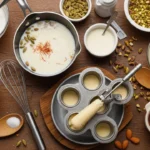
Kulfi is India’s original frozen dessert—richer, denser, and more flavorful than regular ice cream. Unlike ice cream, which is churned to incorporate air, kulfi is slow-cooked, allowing the milk to reduce naturally, giving it a creamy, almost fudge-like texture. It is traditionally flavored with cardamom, saffron, and nuts, then frozen in conical molds and served on a stick.
Making kulfi at home may seem like a slow process, but it is surprisingly simple. With just a few ingredients and some patience, you can create a dessert that tastes exactly like the one sold by street vendors or in restaurants. This guide covers the classic malai kulfi, along with popular variations like mango and kesar pista, so you can enjoy this beloved treat any time of the year.
Why This Kulfi Recipe Works
Authentic kulfi relies on one key technique: reducing milk slowly to concentrate its natural sweetness and develop a rich, caramelized flavor. This recipe uses a careful balance of milk solids, nuts, and aromatic spices to achieve a dense yet smooth texture. It requires no special equipment—just a heavy-bottomed pan, molds, and a little patience. By following the steps exactly, you can avoid common pitfalls like graininess or ice crystals.
Ingredients for Classic Malai Kulfi
| Ingredient | Quantity |
|---|---|
| Full-fat milk | 1 liter |
| Sugar | ½ cup (adjust to taste) |
| Milk powder (optional) | 2 tablespoons |
| Cornflour (optional) | 1 tablespoon |
| Cardamom powder | ½ teaspoon |
| Saffron strands | A few (optional) |
| Chopped almonds & pistachios | 2 tablespoons |
| Kewra or rose water (optional) | 1 teaspoon |
Using full-fat milk is essential for creaminess. Milk powder or cornflour helps thicken the mixture faster, but the traditional method relies on slow reduction alone.
Step-by-Step Kulfi Recipe
1. Reduce the Milk
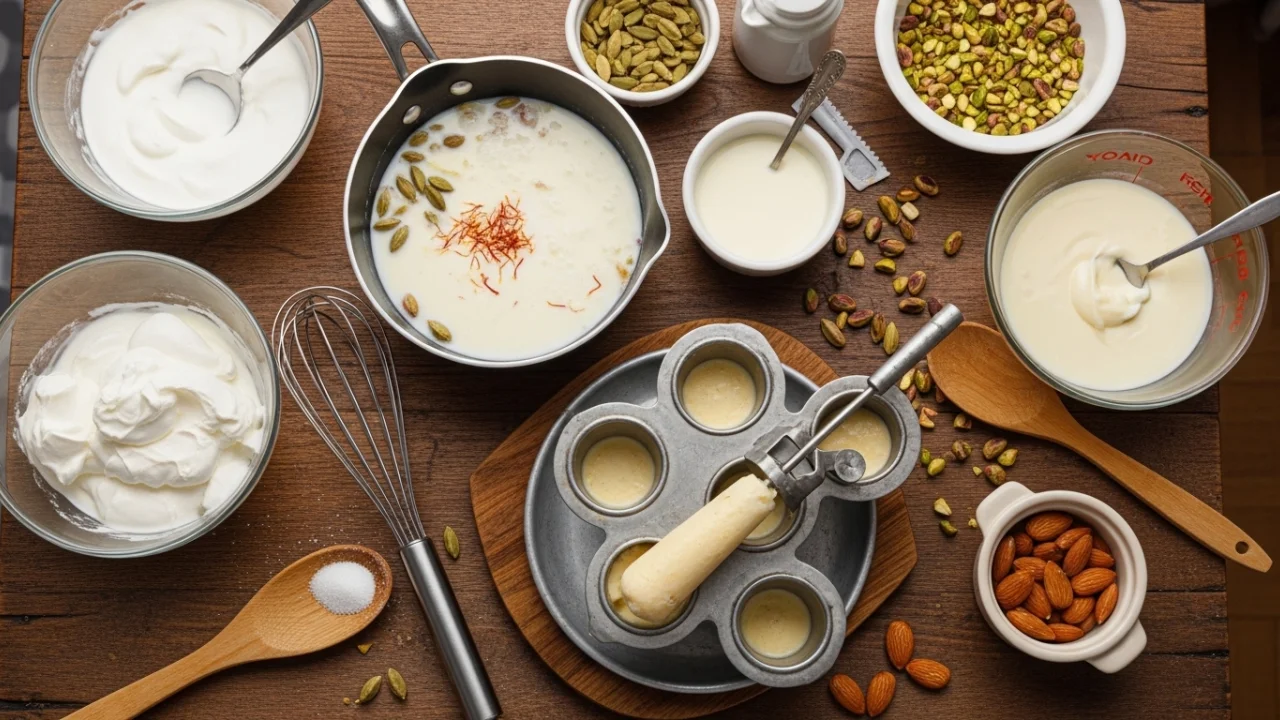
Pour the milk into a heavy-bottomed pan and bring it to a boil. Lower the flame and let it simmer, stirring occasionally to prevent scorching. Continue cooking until the milk reduces to about ⅓ of its original volume—this takes 45–60 minutes. The milk will thicken and develop a light golden color.
2. Add Sweetener and Flavorings
Once the milk is reduced, add sugar, cardamom powder, and saffron (soaked in a little warm milk). Stir well until the sugar dissolves completely. If using milk powder or cornflour, mix them with a little cold milk and add to the pan, stirring continuously to avoid lumps.
3. Cook Until Thick
Continue cooking on low heat for another 10–15 minutes, stirring often, until the mixture reaches a thick, custard-like consistency. It should coat the back of a spoon.
4. Add Nuts and Aroma
Add chopped nuts and kewra or rose water (if using). Mix well and turn off the heat. Let the mixture cool to room temperature.
5. Pour into Molds
Pour the cooled mixture into kulfi molds, popsicle molds, or small cups. Tap gently to remove air bubbles. Insert sticks if using traditional molds.
6. Freeze
Cover with foil or lids and freeze for at least 8 hours or overnight until completely firm.
7. Serve
To unmold, run the mold under warm water for a few seconds, then gently pull out the kulfi. Serve immediately.
Popular Kulfi Variations
Mango Kulfi
Replace 1 cup of reduced milk with fresh mango purée (about 2 ripe mangoes). Add the purée after cooling the milk mixture, then freeze. Reduce sugar slightly as mango is naturally sweet.
Kesar Pista Kulfi
Increase saffron to a generous pinch and use more pistachios for a vibrant green and yellow hue. You can also add a few drops of food-grade green color for a brighter look.
Chocolate Kulfi
Add 2 tablespoons of cocoa powder to the milk during the reduction stage. Increase sugar slightly to balance bitterness.
Vegan Kulfi
Use full-fat coconut milk or cashew milk. The reduction time may be shorter. Add a thickener like arrowroot powder for better texture.
Pro Tips for Perfect Kulfi
-
Use a heavy-bottomed pan to prevent milk from burning.
-
Stir frequently during the reduction stage, especially near the end, to avoid scorching.
-
Cool completely before pouring into molds, or ice crystals will form.
-
Add nuts at the end to keep them crunchy.
-
For extra creaminess, replace some milk with evaporated milk or cream.
-
If using cornflour, dissolve it in cold milk first to avoid lumps.
Common Mistakes to Avoid
| Mistake | Why It Happens | Fix |
|---|---|---|
| Kulfi turns grainy | Milk overheated or stirred too aggressively | Cook on low flame; stir gently |
| Ice crystals form | Mixture not cooled before freezing | Cool completely before molding |
| Sticks to mold | Not enough fat or molds not warmed | Run under warm water before unmolding |
| Too soft after freezing | Insufficient reduction of milk | Reduce milk until very thick |
Frequently Asked Questions (FAQS)
What is the difference between kulfi and ice cream?
Kulfi is denser and richer because it is not churned. It contains less air and is made by slow-reducing milk, while ice cream is whipped with air during freezing.
Can I make kulfi without reducing milk?
You can use sweetened condensed milk as a shortcut, but the authentic taste comes from reducing fresh milk.
How long does kulfi take to set?
It needs at least 6–8 hours of freezing; overnight is best.
Why is my kulfi icy?
Either the mixture was not cooled before freezing, or too much water was added (e.g., from fruit purée without balancing). Always chill the mixture completely.
Can I use low-fat milk?
Low-fat milk will produce a less creamy texture; add a few tablespoons of cream or milk powder to compensate.
What molds can I use?
Traditional kulfi molds, popsicle molds, small paper cups, or even shot glasses work well.
Conclusion
Kulfi is a timeless dessert that embodies the richness of Indian culinary tradition. While it requires a little patience, the process is straightforward and rewarding. By following this recipe, you can create a creamy, flavorful kulfi at home that rivals the best street-side versions. Experiment with different flavors and enjoy this frozen delight all year round.